Learn fire prevention, fire extinguisher safety, emergency procedures, and OSHA fire protection requirements.
Learn hazardous energy control, equipment isolation, safe lockout/tagout procedures, and OSHA requirements under 29 CFR 1910.147.
Learn chemical hazard identification, workplace labeling, Safety Data Sheets (SDS), safe chemical handling, and OSHA Hazard Communication requirements under 29 CFR 1910.1200.
Learn powered industrial truck safety, pre-operation inspections, load handling, stability, pedestrian awareness, and OSHA forklift requirements under 29 CFR 1910.178.
Learn OSHA injury and illness recordkeeping requirements, Forms 300, 300A, and 301, recordability criteria, reporting deadlines, and employer responsibilities under 29 CFR Part 1904.
Learn to assess fleet safety programs, driver qualifications, vehicle inspections, regulatory compliance, and accident prevention strategies to improve overall fleet safety.
Learn fire detection and protection systems, including fire alarms, smoke and heat detectors, automatic sprinklers, suppression systems, inspections, maintenance, and applicable OSHA and NFPA requirements.
Learn workplace incident investigation procedures, evidence collection, witness interviews, root cause analysis, corrective actions, and strategies to prevent future accidents.
Learn electrical hazard recognition, shock and arc flash risks, safe work practices, equipment inspections, and OSHA electrical safety requirements under 29 CFR 1910 Subpart S.
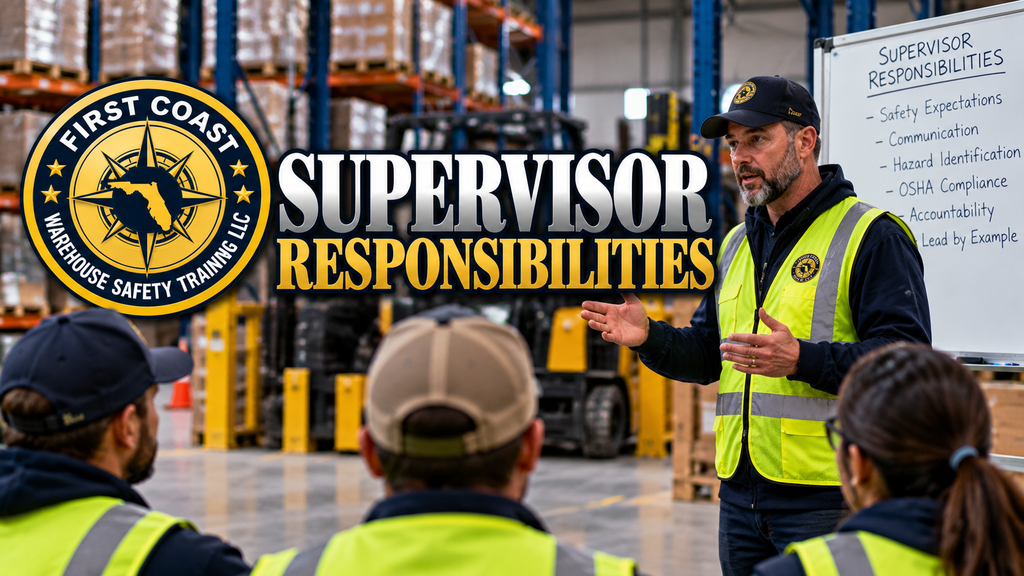
Learn how supervisors establish safety expectations, recognize and correct workplace hazards, enforce OSHA requirements, communicate with employees, and maintain accountability while building a strong workplace safety culture.
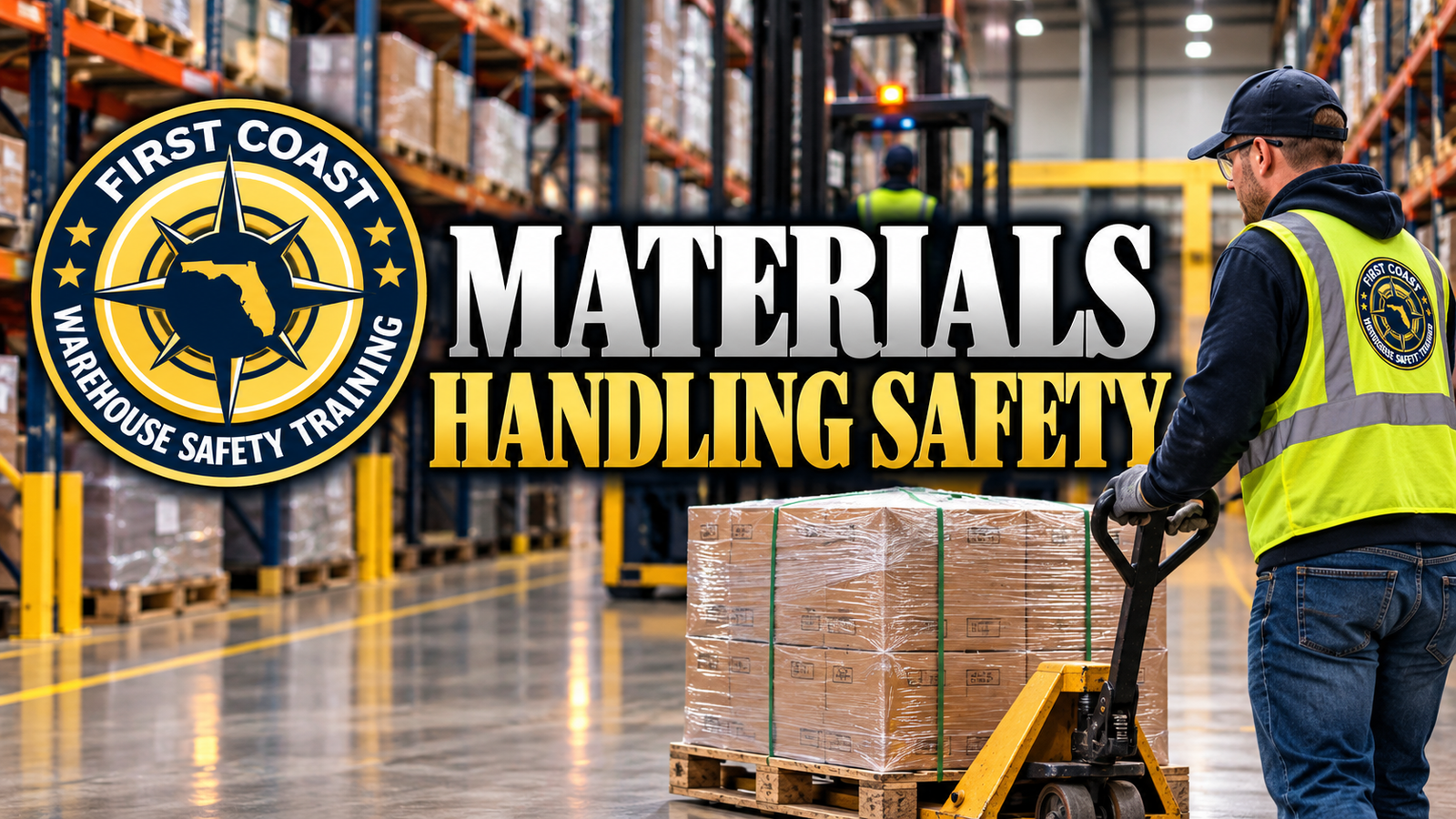
Learn safe material handling practices, including proper lifting techniques, pallet and load stability, safe storage and stacking, mechanical handling equipment, and methods for preventing struck-by, caught-between, and musculoskeletal injuries.
Learn how to develop and maintain effective workplace safety programs, identify and control hazards, conduct safety inspections, encourage employee participation, and improve overall safety performance through OSHA-recommended practices.
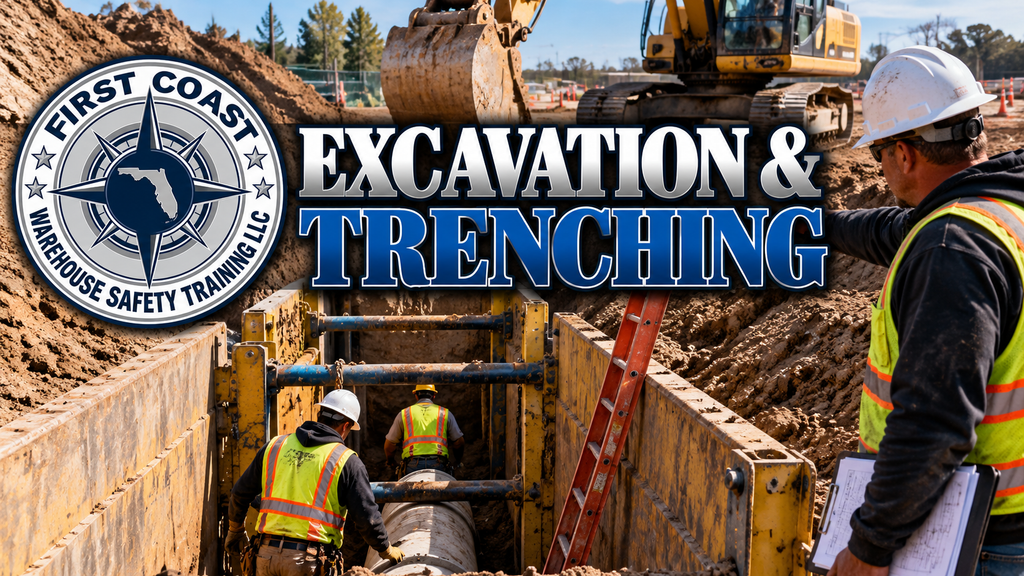
Learn excavation and trenching safety requirements, soil classification, protective systems, access and egress, hazard recognition, and competent person responsibilities under OSHA 29 CFR 1926 Subpart P.
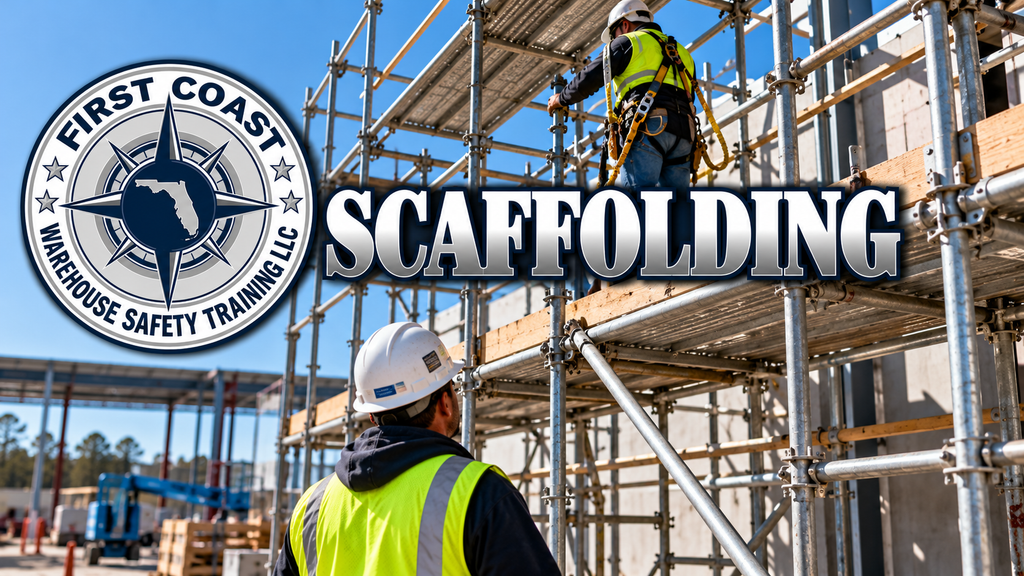
Learn OSHA scaffolding safety requirements, including scaffold components, proper assembly and use, load capacities, fall protection, access, inspections, and competent person responsibilities under 29 CFR 1926 Subpart L.
Learn to recognize fall hazards, select and inspect fall protection equipment, understand guardrail and personal fall arrest systems, establish safe work practices, and meet applicable OSHA General Industry and Construction fall protection requirements.
Transportation & Fleet Safety Training
Learn Hours of Service (HOS) regulations, driving and duty limits, required rest periods, recordkeeping, and FMCSA compliance requirements to improve driver safety and prevent violations.
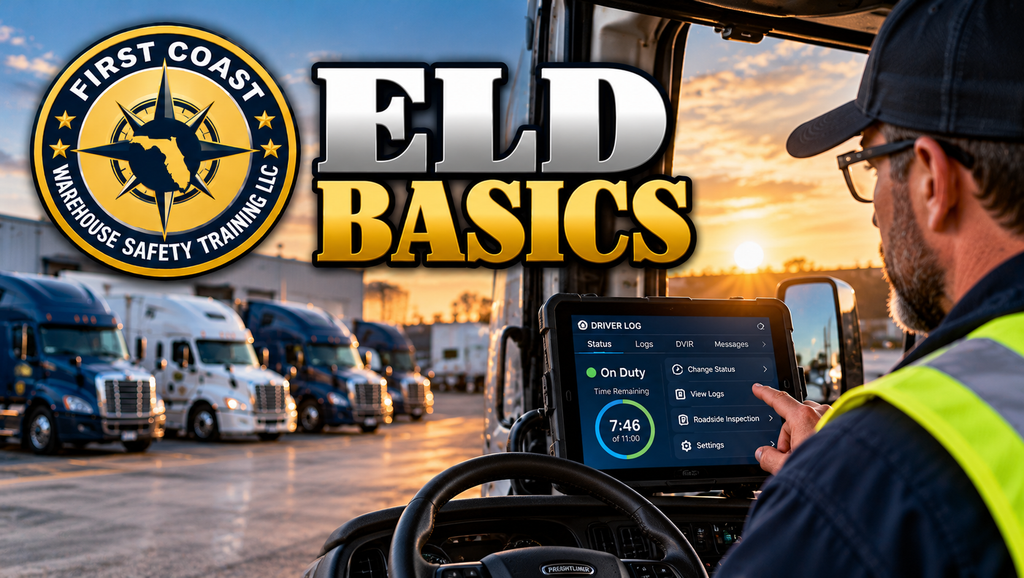
Learn Electronic Logging Device (ELD) requirements, driver log management, duty status changes, recordkeeping, and FMCSA compliance to maintain accurate hours of service records.
Learn safe driving practices, hazard recognition, defensive driving techniques, driver communication, and performance improvement strategies to reduce accidents and strengthen fleet safety.
OSHA 10 & 30-Hour General Industry Outreach Training
Instructor-led, in-person OSHA Outreach Training provided by an OSHA Authorized Outreach Trainer. Available for businesses throughout Northeast and Central Florida and South Georgia.
OSHA 10-Hour General Industry
OSHA 30-Hour General Industry
10 Hour – Designed for employees entering the workforce or looking to strengthen their safety knowledge. Covers common workplace hazards, OSHA regulations, employee rights, and practical methods for preventing injuries and maintaining a safer workplace.
30 Hour – Comprehensive safety training designed for supervisors, team leaders, and employees with safety responsibilities. Covers OSHA General Industry standards, hazard identification, risk reduction, employer responsibilities, and effective workplace safety practices.